

It’s been a long time since I last voted.
I came to the United States from Britain in 1995. Since then, I have bounced around the country, from Chicago to Philly, to central Pennsylvania, to Nashville, to the D.C. area, to my current home just outside Charlottesville, Virginia. For me, the one feature each place had in common was that I had no right to vote, although the government made sure to collect my taxes each year. Taxation without representation, as it were.
And then, quite suddenly, it all changed. The old rule in the U.K., and quite a sensible one in my view, was that after you’d been out of the country for three years, you didn’t get to vote anymore. No skin in the game, I guess. But the Conservative Party, desperate to squeeze votes out of the expatriate community that they believed were more rightwing than those still residing in Britain (the cynic in me might say more right-wing than those who had witnessed the previous 14 years of Tory misrule, capped off by the act of collective self-sabotage known as Brexit), changed that law. Suddenly I could register to vote, and so I did, back in my old constituency of Oxford East. I signed up for a postal ballot for the July 4, 2024, General Election, ready to do my bit for Labour, the party I had voted for in every election since I turned 18 until I emigrated. Of course, my ballot didn’t arrive in time, so I couldn’t vote after all. But my Labour candidate won handsomely, as did the national party.
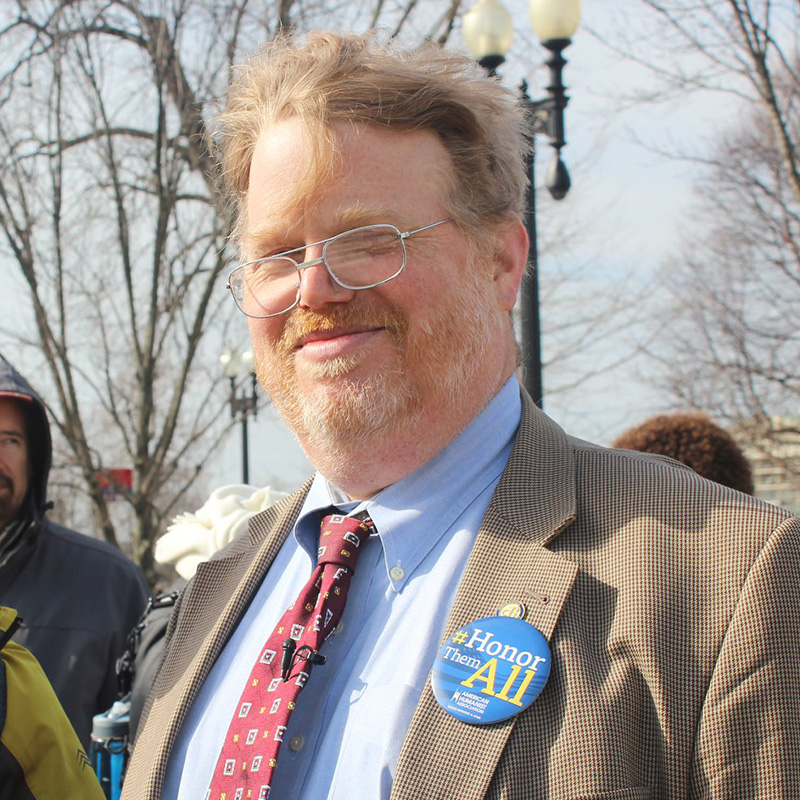
July 4, though, wasn’t just the British General Election. Most of you probably think of it as Independence Day. But to me it will always be Citizenship Day. On July 4, 2024, on the lawn of Monticello and under the sweltering sun, I swore the oath of allegiance and became a United States citizen. And the very first thing I did, under threat of unspeakable violence from various friends if I did not do this, was register to vote.
Why was that so important? I am hardly naïve enough to think that voting changes everything. But I am also not cynical enough to think that voting changes nothing, or, as leftwing ex-Lord Mayor of London, Ken Livingstone, titled his autobiography, “If Voting Changed Anything, They’d Abolish It.”
Voting does change things. It can be a force for good, or, at the very least, a force against the bad.
That fact that voting cannot always give us everything we want isn’t a reason not to celebrate it. In fact, it’s a good thing it can’t give us everything we want! Let’s be honest and admit that if everything was down to a simple popular majority vote, many things we care deeply about—not least the separation of church and state—would be in an even worse position. Some things shouldn’t be decided at the ballot box. But many, many things should be, and they are things which impact all of us deeply. By voting, I get a say, however small, in matters to do with health care and education, immigration and national defense, law enforcement and environmental matters.
It’s important to acknowledge the systemic flaws, and to carry on working to resolve them. Because of the Electoral College, an American in California has a vote for the president that is significantly less valuable than an American in Wyoming. Similarly, those two voters have vastly different power when it comes to voting for the two senators who represent each state. The influence of massive donations of dark money from plutocrats leaves many of us feeling our vote is irrelevant. And even to this day, racial discrimination mars our voting process—from the drawing of district boundaries to the availability of balloting places and the transparently racist laws on voter ID that have swept much of the country.
Even in the face of all that, voting matters. And not having done it for nigh on three decades has left more of a gap in my life than I realized. When I came to America, President Clinton was in the White House. I’ve seen more impeachment proceedings in my time here than I think any of us expected to witness. I sat and bit my nails with the counts and recounts in Florida in Bush v. Gore in 2000. In 2008, I wept tears of joy to see Barack Obama elected. I sat in stunned silence as it became apparent Donald Trump would be elected in 2016, and I popped a champagne cork to celebrate Georgia going blue in 2020. But despite having lived here since the 90s, I still experienced it all as though from the outside. While it impacted my life, I played no part in it. This time, I get to be one of “we, the people.”
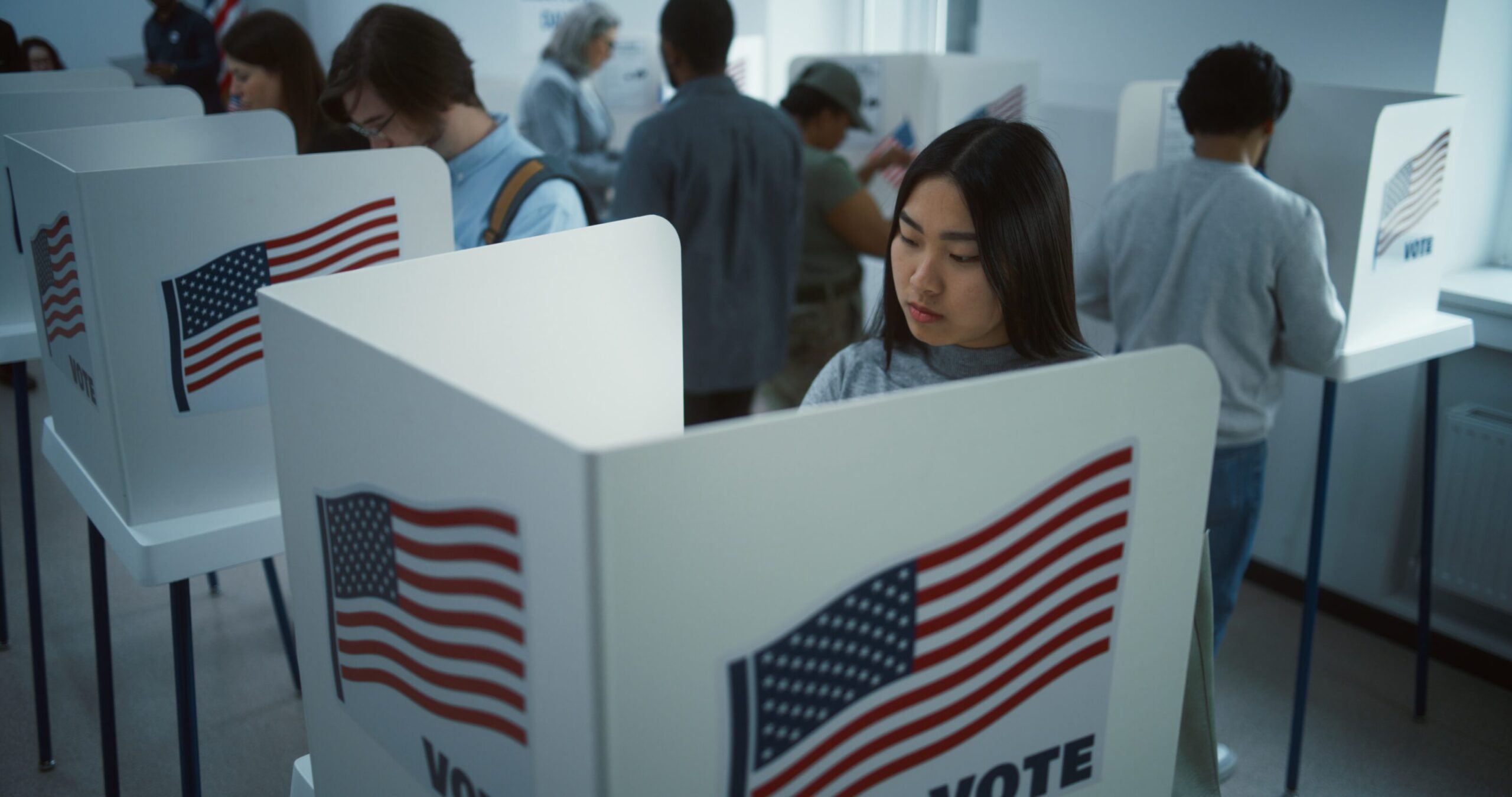
So I am rather excited. Voting in Britain was a much simpler process: a bit of paper and you put a mark in a little box, then put the ballot paper into a metal box to be counted. I expect to be confused when I step into the voting booth this time around. But I’ll also be smiling, and I will wear that “I Voted” sticker with pride.
But I will also remember that it isn’t enough. Turning up to vote is part of democracy, but it is far from all of democracy. If we value our society, and want to improve it, we will not only vote, but we will also demonstrate. We will push for change and reform through all of our actions in life. Democracy has never been just a ballot box thing. It’s a workplace thing, and a school thing, too. It’s an ongoing fight for justice that happens every day, not just one Tuesday in November. I’m thrilled to be casting my first vote in almost 30 years this November. And I am also excited to continue participating in the rest of the democratic project that we are all undertaking, every day of the year.