


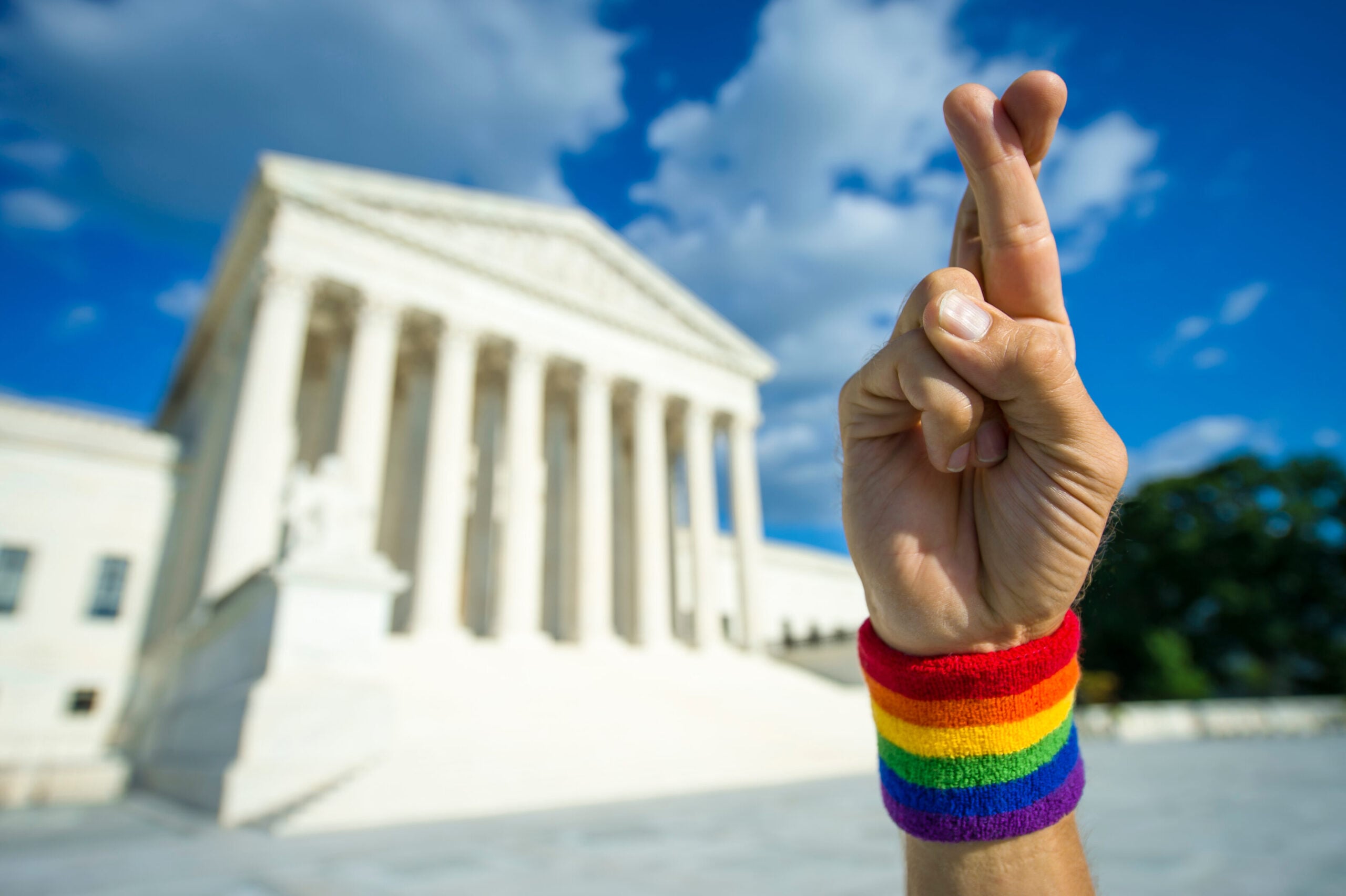
Elections can have a direct and profound impact on our lives, a fact that marginalized communities like LGBTQ+ people know all too well. The history of LGBTQ+ rights in the U.S. is composed of examples of elected officials wielding government power to make anti-LGBTQ+ stigma the law of the land and just as many—if not more—examples of that same power being used to instead advance equity and equality for LGBTQ+ people.
While LGBTQ+ people and their allies have certainly used the power of their votes to secure many meaningful victories toward full legal equality, we have also seen their successes limited and sometimes undone by hostile courts, legislators, and other government actors. Every election is a consequential one to LGBTQ+ people, but a recent surge in anti-LGBTQ+ legislation, policies, and rhetoric suggests that the upcoming 2024 election will be particularly pivotal in defining the trajectory of LGBTQ+ rights in this country.
Over the past few years, there have been hundreds of explicitly anti-LGBTQ+ bills introduced in legislatures across the country and within the U.S. Congress. This surge of hostility has reached every corner of the country, with many local, state, and national campaigns in turn including their antagonistic positions on various LGBTQ+ rights issues within their policy platforms.
Anti-LGBTQ+ bills being introduced include several successfully enacted laws denying transgender people access to best-practice, essential medical care; banning books and censoring school curricula referencing LGBTQ+ people; and restricting the ability of LGBTQ+ people to exist as their authentic selves in public spaces. Alarmingly, some courts and legislators embracing this rhetoric have even signaled a willingness to revisit long-established LGBTQ+ rights, including the right for same-sex couples to marry.
Some lawmakers have responded to this surge by advancing bills in their states that would ensure LGBTQ+ people can access the care and resources that are being banned elsewhere. Federal agencies have also responded to these anti-LGBTQ+ state laws by filing legal challenges to prevent them from being enforced. As efforts to both limit and protect LGBTQ+ rights continue advancing across the country, voters in the 2024 election will have the ability to shape the direction that lawmakers and government agencies take regarding these issues.
Some state legislators may, for instance, feel encouraged by election outcomes to amplify their opposition to anti-LGBTQ+ bills. Likewise, the election could impact whether federal agencies will be directed to continue opposing states’ anti-LGBTQ+ bills in court or whether lawmakers in Congress might continue their recent trend of including anti-LGBTQ+ provisions in appropriations bills and other pieces of legislation.
Another key issue at stake in this election is whether and how LGBTQ+ people should be protected from discrimination by our civil rights laws. Currently, a limited number of federal laws contain express protections against discrimination based on sexual orientation and gender identity, with the states maintaining a similar patchwork of express protections for LGBTQ+ people. Nonetheless, many federal agencies have issued updated regulations over the past few years to clarify that LGBTQ+ people are indeed protected from discrimination under existing civil rights laws that have sex non-discrimination provisions. As explained by these agencies, their updated regulations are necessary to implement recent Supreme Court precedent and ensure equal access and treatment for LGBTQ+ people in areas like employment, housing, health care, and education.
As these updated federal regulations have been issued, many have been challenged in court by various states, including many of the states driving the current surge in anti-LGBTQ+ legislation. As a result of their challenges, some portions of these regulations (particularly certain provisions pertaining to transgender people) are currently enjoined and cannot be enforced in specific states. Additionally, some lawmakers have moved to introduce bills that would prevent agencies in their states from issuing similar regulations that would protect LGBTQ+ people through existing civil rights laws.
The 2024 election could therefore have a significant impact on the future of non-discrimination protections for LGBTQ+ people both at the federal and state levels. For example, the next president will have the ability to direct federal agencies to either continue defending their updated regulations or to instead agree to rescind them and issue revised regulations that again exclude LGBTQ+ people. Similarly, state officials might feel encouraged to continue their challenges against the federal government’s efforts to protect LGBTQ+ people or may see the need to drop those challenges and perhaps even move toward enacting express sexual orientation and gender identity non-discrimination protections under their own state laws.
Another issue at stake in this election that may be easy to overlook is how data collection by government entities is used to impact LGBTQ+ people. Government agencies across the country have long been empowered to collect comprehensive data on various aspects of our lives and well-being, including through various vehicles like surveys and administrative forms. Among other important uses, these government-collected data allow us to understand the needs and experiences of certain communities and to determine where and how trillions of dollars in government funding will be spent each year. LGBTQ+ people have long been advocating for consistent inclusion within these government collections of data, with many of those efforts bearing fruit in recent years. Likewise, community members and government entities have worked to advance inclusive data collection practices to ensure regulated entities such as housing providers, federally funded schools, and certain employers are complying with civil rights laws and other important government policies.
While many recent efforts have focused on making government data collections more LGBTQ+-inclusive, some elected officials have proposed the weaponization of government data collections to target and even criminalize LGBTQ+ people. Some state legislators have begun proposing requirements within their bills that would allow the state to monitor transgender people seeking gender-affirming care. This means the 2024 election will be key for signaling to elected officials how governments’ data collection capabilities should be used with respect to LGBTQ+ people. Some officials may be moved to supporting inclusive data collection efforts, while others may be encouraged to follow the recent lead of several states and drop out of federal collections of data simply because they include questions about sexual orientation and gender identity. Newly elected officials might feel encouraged to express either their support or opposition to ongoing efforts to test and implement questions measuring sexual orientation and gender identity within the many important government data collections that continue to lack them.
While LGBTQ+ people have long faced discrimination, violence, and stigma simply for being who they are, they are currently facing an unprecedented wave of anti-LGBTQ+ sentiment across the U.S. Countless LGBTQ+ people and their families are being driven to reconsider where they call home and how they live their lives because of spreading anti-LGBTQ+ efforts. Even in states that have previously worked to advance equality for LGBTQ+ people by enacting formal non-discrimination protections and inclusive policies, legislators have still sought to deny these communities continued access to medical care, to housing, to government programs and services, and to so many other aspects of lived and legal equality. So, as we prepare to vote this November, no matter where or for which races, the rights of LGBTQ+ people hang in the balance.